
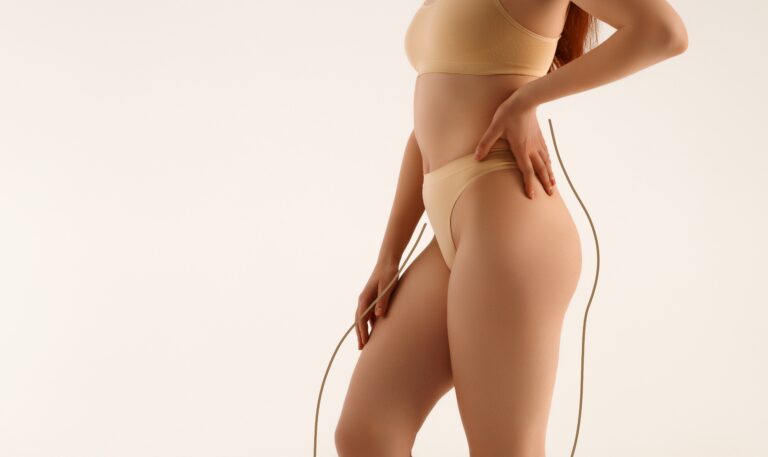
A mommy makeover is often perceived as a purely cosmetic procedure aimed at restoring a woman’s pre-pregnancy body. While it is true that these surgeries typically focus on areas affected by pregnancy and childbirth, such as the abdomen, breasts, and sometimes the buttocks or thighs, the benefits extend far beyond mere aesthetics. Understanding the broader purpose of a mommy makeover requires recognizing its impact on physical health, emotional well-being, and overall quality of life.
Pregnancy and breastfeeding can cause significant changes in a woman’s body that are not always reversible through diet or exercise alone. These changes may include stretched abdominal muscles (diastasis recti), excess skin, sagging breasts due to loss of volume and elasticity, and stubborn fat deposits. A mommy makeover addresses these concerns comprehensively by combining procedures like tummy tuck, breast lift or augmentation, liposuction, and sometimes vaginal rejuvenation into one coordinated surgery. This approach not only improves appearance but also helps restore functional aspects of the body.
One important benefit beyond aesthetics is enhanced physical comfort. For example, repairing separated abdominal muscles can strengthen the core and alleviate back pain commonly experienced after pregnancy. Similarly, reducing excess skin around the midsection can prevent irritation or infections caused by chafing folds. Breast lifts or reductions may relieve neck or shoulder discomfort linked to overly large or sagging breasts. By addressing these issues surgically, many women experience improved posture and mobility that contribute positively to their daily lives.
Emotional health is another critical dimension influenced by mommy makeovers. The physical transformations achieved often lead to increased self-confidence and body image satisfaction at a time when many mothers struggle with feelings of loss related to their postpartum bodies. Regaining control over one’s appearance can foster empowerment during an important transition period in life marked by new responsibilities and identity shifts. The psychological uplift from feeling comfortable in one’s own skin frequently translates into greater social engagement and willingness to participate in activities previously avoided due to embarrassment.
Moreover, undergoing a mommy makeover sends an important message about self-care for mothers who often prioritize family needs above their own well-being. It acknowledges that investing time and resources into personal health matters deeply affects overall happiness within families too-when mothers feel better physically and emotionally they tend to be get more insights present for their children both mentally and energetically.
In summary, while improving appearance remains central to what a mommy makeover offers, its broader purpose encompasses restoring function lost through childbearing processes alongside fostering mental resilience through enhanced confidence levels-all contributing significantly toward holistic postpartum recovery rather than simply aesthetic enhancement alone.
About the Author
