
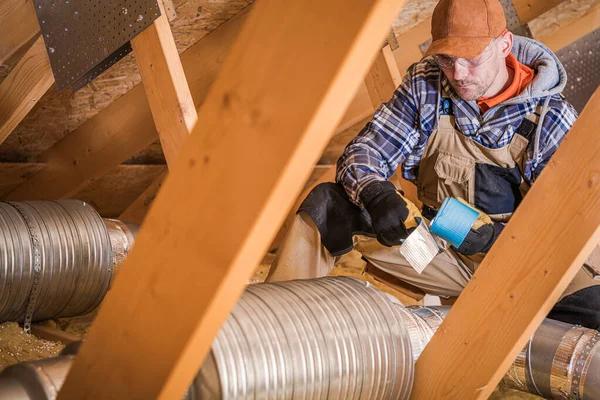
HVAC contractors play a crucial role in ensuring that heating, ventilation, and air conditioning systems operate efficiently to maintain comfort in residential and commercial spaces. When these systems fail to provide the desired level of comfort, it becomes essential for HVAC professionals to diagnose the underlying issues accurately. The process involves a systematic approach that combines technical expertise with advanced diagnostic tools.
The first step in diagnosing an HVAC system is understanding the symptoms reported by the occupants. Contractors typically begin by asking detailed questions about the nature of discomfort—whether it’s inadequate cooling or heating, uneven temperature distribution, or unusual noises. Gathering this information helps narrow down potential causes and guides further investigation.
Once preliminary insights are obtained from occupant feedback, contractors proceed with a visual inspection of the system components. This includes checking thermostats for proper settings and functionality, inspecting air filters for dirt or blockages that could restrict airflow, and examining ductwork for leaks or obstructions. Dirty filters are a common culprit behind poor performance as they impede airflow and force systems to work harder than necessary.
Following the visual inspection, HVAC technicians employ specialized tools to measure system performance metrics accurately. For instance, they might use digital thermometers to assess temperature read more differentials across various parts of the system or manometers to measure static pressure within ducts. These measurements help identify imbalances in airflow or issues with heat exchange processes critical for maintaining comfort levels.
In addition to mechanical assessments, electrical diagnostics play an integral part in evaluating HVAC systems. Technicians utilize multimeters to test electrical connections and ensure components such as capacitors and motors receive appropriate voltage levels without fluctuations that could impair functionality.
Advanced diagnostic equipment like refrigerant gauges allows contractors to check refrigerant levels—a vital aspect since incorrect amounts can lead directly to inefficient cooling cycles resulting from either overcharging (excessive refrigerant) or undercharging (insufficient refrigerant). Ensuring optimal refrigerant balance is crucial because deviations can significantly impact energy consumption while failing at providing adequate thermal regulation indoors.
Finally yet importantly comes data analysis where collected information gets integrated into software solutions designed specifically around predictive maintenance algorithms tailored towards identifying patterns indicative not only current faults but also future failures before manifesting themselves fully operationally speaking thereby preemptively addressing them head-on minimizing downtime altogether!
Through comprehensive diagnostics encompassing both manual inspections alongside technological evaluations coupled together seamlessly thus enabling precise identification root causes affecting overall efficacy therein lies secret success stories shared amongst countless satisfied clients whose lives transformed thanks diligent efforts put forth daily basis unwavering commitment excellence delivering unparalleled service quality assurance every single time!
About the Author
