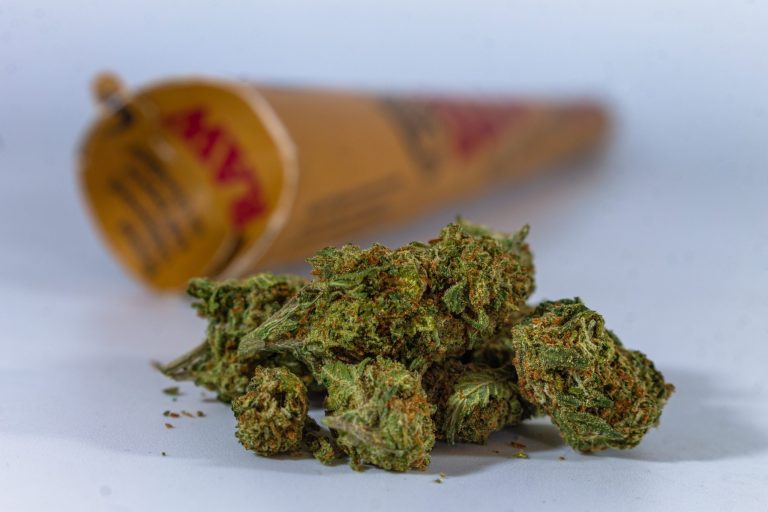
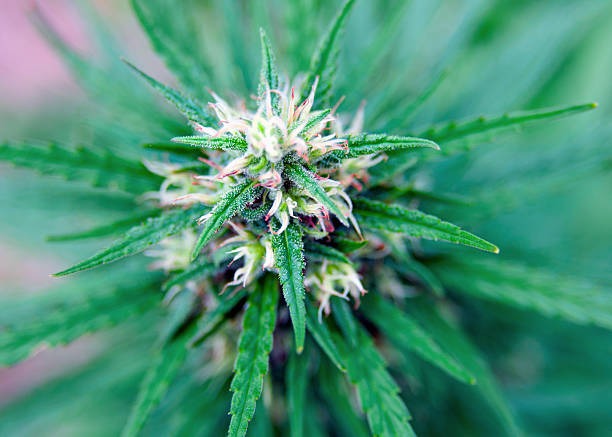
THCA flower and THC disposable vapes have become increasingly popular among cannabis users seeking different experiences and consumption methods. Understanding these two products can help consumers make informed choices based on their preferences, needs, and desired effects. THCA flower refers to raw cannabis buds that are rich in tetrahydrocannabinolic acid (THCA), the non-psychoactive precursor to THC, which is the compound responsible for the “high” associated with marijuana. When heated through a process called decarboxylation, THCA converts into THC, making it psychoactive. Many people choose THCA flower for its versatility; it can be smoked, vaporized, or used in cooking once decarboxylated. One of the main appeals of THCA flower is that it allows users to experience a more natural form of cannabis without additives or processing beyond cultivation and drying. Because it contains mostly THCA rather than active THC before heating, some users prefer this option if they want to control when and how much THC they consume by adjusting their heating method or temperature. Additionally, consuming raw or lightly heated cannabis may provide potential therapeutic benefits from cannabinoids and terpenes without intense intoxication. However, smoking or vaping traditional dried cannabis flowers remains common for those who want immediate psychoactive effects since combustion instantly activates the THC content. On the other hand, THC disposable vapes are pre-filled cartridges containing concentrated cannabis oil designed for use with battery-powered vape pens or as standalone devices that come ready-to-use. These disposables offer convenience because there is no need to grind flower or load a vaporizer manually; simply Bubblegum Runtz inhale from the device until finished. The oils inside typically contain high levels of 2g disposable cart activated THC along with various flavorings derived from terpenes extracted during processing to enhance taste and aroma profiles. Disposable vapes appeal particularly to those seeking discretion since they produce less odor compared to smoking flower and are easy to carry around without additional equipment like pipes or grinders. They also allow precise dosing because each puff delivers consistent amounts of activated cannabinoids. However, some users raise concerns about potential health risks related to inhaling vaporized concentrates due to additives or impurities found in lower-quality products. Choosing between THCA flower and THC disposable vapes depends largely on personal preference regarding ritual versus convenience, flavor authenticity versus variety of flavors offered by concentrates, as well as tolerance level and desired onset time for effects. While flowers provide a traditional experience with customizable activation through heat application methods such as joints or vaporizers designed specifically for dry herb consumption, disposables simplify usage by eliminating preparation steps at the cost of less control over dosage variability outside standardized puffs per cartridge. In summary, understanding what distinguishes THCA flower from THC disposable vapes enables consumers to select products aligned with their lifestyle and consumption goals while considering factors such as potency control, ease of use, flavor profile preferences, health considerations related to inhalation methods,and overall user experience within legal regulations governing cannabis products in their area.
About the Author