
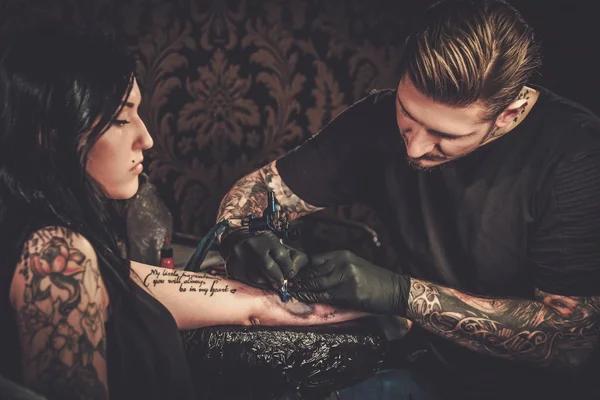
Tattoo and piercing shops have become increasingly popular as more individuals seek to express themselves through body art. However, with this rise in popularity comes the necessity for stringent standards to ensure the safety and well-being of both customers and artists. These standards are critical in maintaining hygiene, preventing infections, and ensuring a positive experience for everyone involved.
One of the primary ways tattoo and piercing shop standards protect customers is through rigorous sanitation protocols. Shops are required to adhere to strict guidelines regarding cleanliness. This includes sterilizing equipment before each use, using disposable needles, and ensuring that all surfaces are disinfected regularly. By following these practices, shops minimize read the details risk of infections that can arise from bacteria or viruses entering open wounds during procedures.
Moreover, reputable shops often require their artists to undergo proper training and certification processes. This ensures that they possess the necessary skills and knowledge about human anatomy, skin types, and appropriate techniques for different styles of tattoos or piercings. Well-trained artists can provide valuable advice on aftercare procedures as well, which is crucial for preventing complications post-procedure.
In addition to protecting customers’ health, these standards also safeguard the rights of artists working within these establishments. Artists operate under conditions that prioritize their safety by providing them with personal protective equipment such as gloves and masks when needed. Furthermore, adhering to professional standards helps maintain an artist’s reputation by ensuring high-quality work consistently delivered in a safe environment.
The implementation of comprehensive record-keeping systems is another essential standard within tattoo and piercing shops.
About the Author