Integrating a wine cooler into your kitchen or dining area can elevate both the functionality and aesthetic appeal of the space. When planning a wine cooler setup, it is important to consider factors such as available space, style preferences, and how you intend to use the cooler. A well-placed wine cooler not only preserves your wine collection at optimal temperatures but also enhances the overall ambiance of your home.
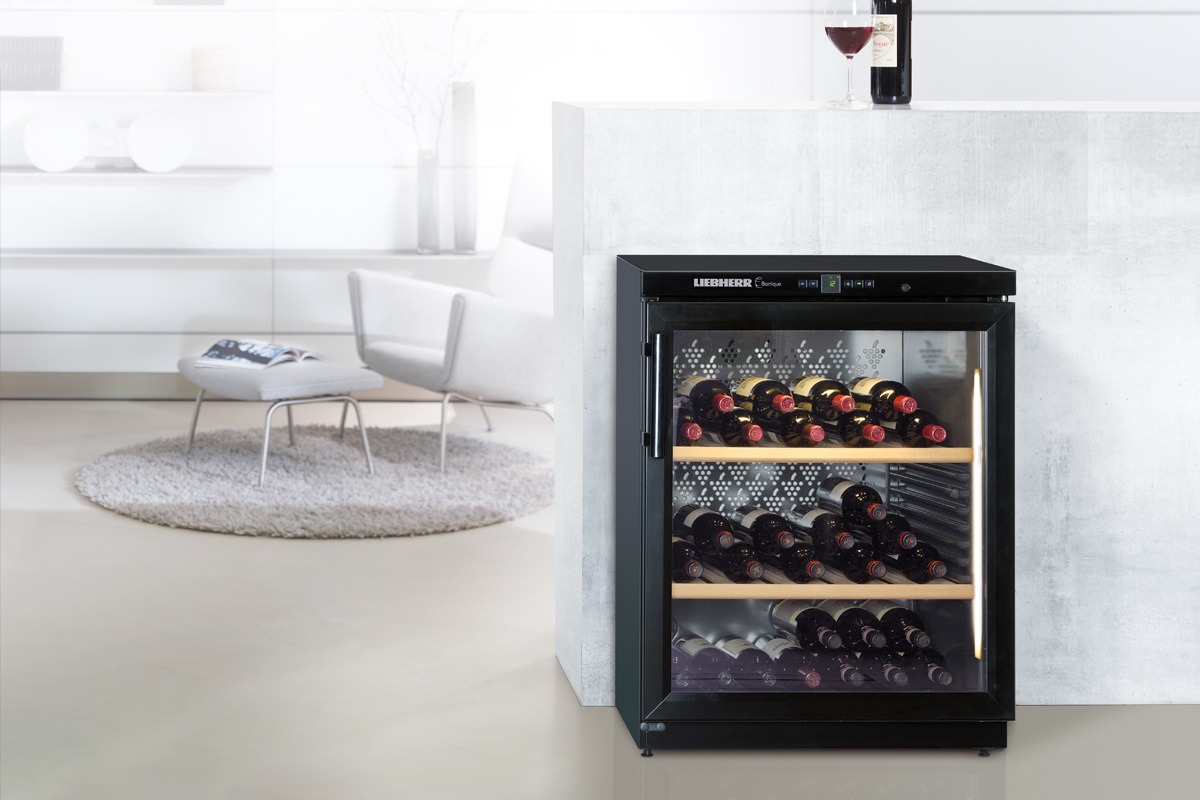
One effective approach is to incorporate a built-in wine cooler under a countertop or within cabinetry. This method saves floor space and creates a seamless look by blending the appliance with existing kitchen elements. Built-in coolers are ideal for kitchens with limited room because they utilize areas that might otherwise go unused. Additionally, selecting cabinetry doors that match surrounding units can conceal the cooler when not in use, maintaining a clean and uniform appearance.
Freestanding models offer greater flexibility in positioning and come in various sizes to suit different collections. Placing a freestanding Wine Cooler near the dining table makes serving convenient during meals or gatherings. It also adds an inviting touch for guests who appreciate having wines readily accessible without frequent trips to another room.
Lighting plays an essential role in highlighting your wine collection while contributing warmth to the environment. Consider installing soft LED lighting inside or around your wine cooler to showcase bottles attractively without exposing them to harmful heat sources. Ambient lighting underneath cabinets or along shelves adjacent to the unit can further enhance visual interest.
For those with open-concept layouts, creating a dedicated beverage station featuring a wine cooler alongside glassware storage offers both practicality and style. Incorporating floating shelves above or beside the cooler provides easy access to glasses while allowing you to display decorative items like plants or artwork that complement your design theme.
Temperature zones are another aspect worth considering if you enjoy various types of wines requiring different storage conditions. Dual-zone coolers allow white and red wines to be stored simultaneously at their respective ideal temperatures, ensuring each bottle retains its intended flavor profile until served.
Finally, pay attention to ventilation requirements when installing any type of wine cooling unit; proper airflow prevents overheating and maintains consistent performance over time. Consulting manufacturer guidelines ensures correct placement relative to walls or cabinetry for optimal operation.
By thoughtfully integrating these ideas into your kitchen or dining area, you create an inviting atmosphere where functionality meets elegance-perfectly suited for enjoying fine wines on any occasion.
About the Author