Air conditioning units are essential for maintaining comfortable indoor environments, especially during hot weather. However, like any mechanical system, they can experience failures that disrupt their performance. Understanding how to troubleshoot common air conditioning problems can save time and money before calling a professional technician. The first step in diagnosing an issue is to check the thermostat settings. Sometimes, the problem lies in incorrect temperature settings or mode selection, such as having the system set to “fan only” instead of cooling mode. Ensuring the thermostat has working batteries and is properly calibrated can also resolve simple control issues.
If the air conditioner fails to turn on at all, it’s important to verify that it has power. Check if the circuit breaker has tripped or if a fuse has blown in your electrical panel. Resetting a tripped breaker or replacing a fuse might restore power to the unit. Additionally, inspect any disconnect switches near the outdoor condenser unit; these should be turned on for proper operation. Another frequent cause of failure is dirty or clogged filters and coils within the system. When filters become blocked with dust and debris, airflow decreases significantly, causing inefficient cooling or complete shutdown due to overheating protection mechanisms activating.
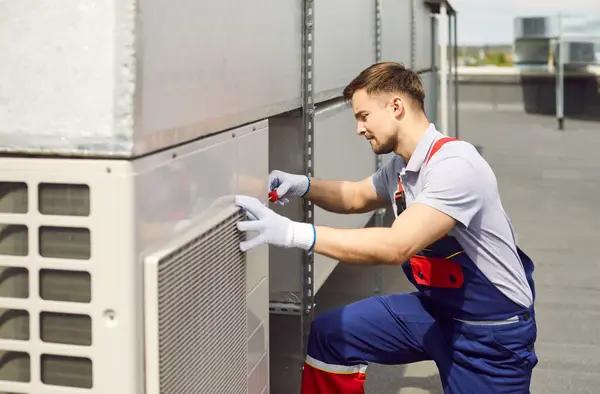
Cleaning or replacing filters regularly ensures adequate airflow and prevents strain on components such as compressors and fans. Similarly, outdoor condenser coils accumulate dirt over time which reduces heat exchange efficiency; gently cleaning these coils with water while avoiding damage improves overall function.
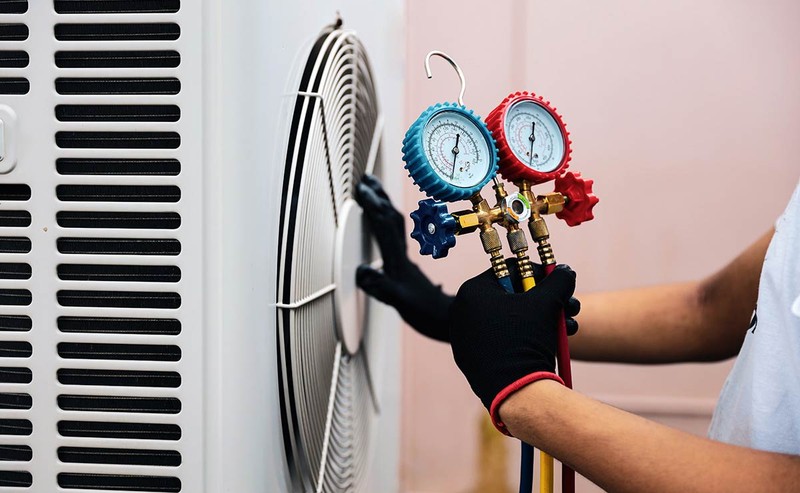
A lack of cold air despite normal operation usually indicates refrigerant issues or leaks within the system’s sealed components. Refrigerant levels must be maintained correctly for optimal cooling capacity; low refrigerant requires professional recharging after locating and repairing leaks since handling refrigerants involves specialized equipment and certification.
Unusual noises from an air conditioner often signal mechanical problems such as loose parts, worn bearings in fan motors, or debris caught in moving elements like blower wheels or fans themselves. Identifying rattling sounds early allows tightening screws or removing obstructions before more serious damage occurs.
Water leaking around indoor units suggests drainage problems caused by blocked condensate drain lines or pans overflowing due to improper slope installation. Clearing clogs using compressed air tools helps maintain effective moisture removal preventing mold growth inside ducts.
By systematically addressing these common symptoms-thermostat errors, power supply interruptions, dirty filters and coils, refrigerant deficiencies, abnormal noises, and water leakage-users can troubleshoot many typical air conditioning installation failures effectively without unnecessary expense while preserving comfort throughout warm seasons.
D-N-D Services Inc
4770 I-30 Frontage Rd, Caddo Mills, TX 75135
972-771-9898
About the Author