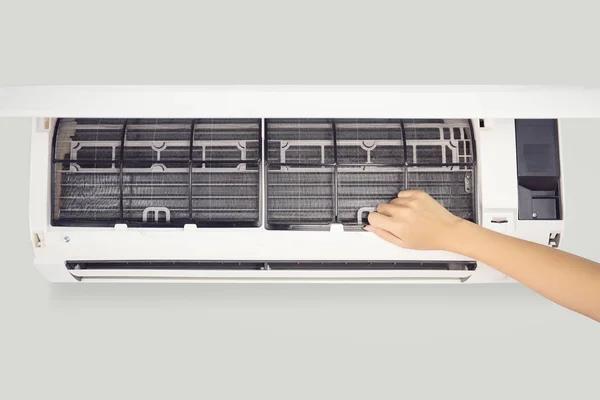
Mini split systems have gained popularity as an efficient and flexible solution for heating and cooling residential and commercial spaces. These ductless units offer several advantages, including energy efficiency, easy installation, and zone control. When considering whether to invest in a mini split system, understanding the installation cost versus long-term savings is crucial for making an informed decision.
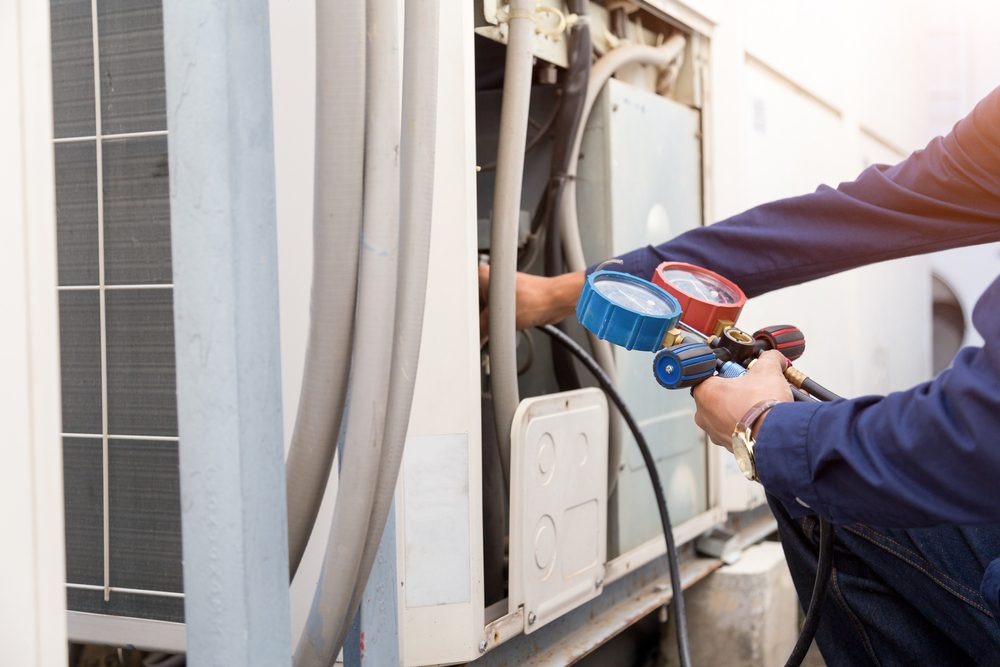
The initial installation cost of a mini split system tends to be higher than traditional HVAC systems. On average, homeowners can expect to pay between $3,000 and $8,000 depending on factors such as the number of zones required, unit capacity, brand quality, and labor costs in their area. Installing multiple indoor units connected to one outdoor compressor adds complexity and increases expenses accordingly. While this upfront investment might seem steep compared to conventional central air conditioning or window units, it is important to consider how these costs balance out over time through energy savings.
Mini splits operate without ducts by delivering conditioned air directly into different rooms or zones. This design minimizes energy losses commonly associated with ductwork leaks in traditional systems. Because each zone can be controlled independently according to occupancy or preference, users avoid wasting energy on unoccupied spaces. This zoning capability contributes significantly to reduced utility bills throughout the year.
Energy efficiency ratings like SEER (Seasonal Energy Efficiency Ratio) are generally higher for mini splits than standard HVAC equipment. Many models achieve SEER ratings above 20 compared to typical central air conditioners that range from 13 to 16 SEER. Higher efficiency translates into lower electricity consumption during both cooling and heating seasons since many mini splits use heat pump technology capable of reversing operation for warmth in winter months.
Over time, these operational savings help offset the initial installation expense by lowering monthly energy bills substantially. For households prioritizing comfort along with cost-effectiveness over several years, investing in a quality Mini Split system often proves financially advantageous despite the upfront price tag.
Maintenance costs also tend to be lower because ductless systems require less frequent servicing due to fewer mechanical parts exposed outside living areas compared with traditional HVAC setups involving extensive duct networks.
In conclusion, while installing a mini split system involves considerable initial expenditure relative to conventional alternatives, its superior energy efficiency combined with customizable zoned heating and cooling delivers meaningful long-term financial benefits through reduced utility costs and maintenance needs. Homeowners willing to commit upfront will likely enjoy substantial returns via ongoing savings that justify the investment within five to ten years depending on usage patterns and local electricity rates.
About the Author