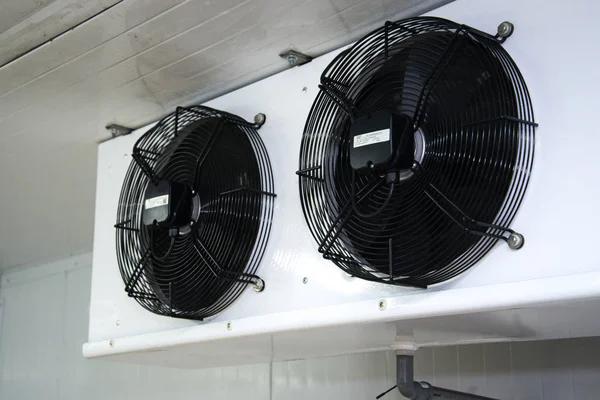
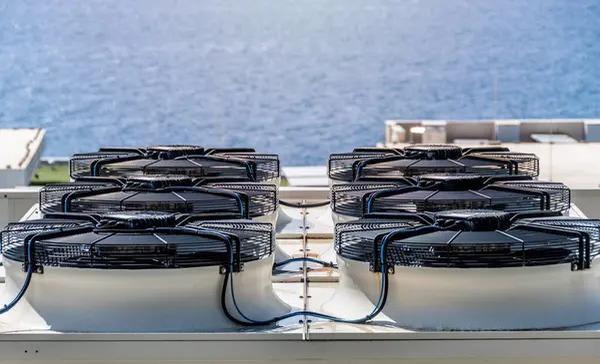
Commercial refrigeration plays a crucial role in the success of modern food service businesses by ensuring food safety, preserving product quality, and optimizing operational efficiency. As customer expectations evolve and regulatory standards become more stringent, investing in advanced refrigeration solutions is essential for restaurants, cafes, catering services, and other food-related enterprises. Modern commercial refrigeration systems are designed to meet diverse needs while providing energy-efficient performance and maintaining consistent temperature control.
One of the key factors driving innovation in commercial refrigeration is the demand for sustainable practices. Energy consumption accounts for a significant portion of operating costs in food service establishments, so selecting equipment with high energy efficiency can lead to substantial savings over time. New technologies such as variable speed compressors, improved insulation materials, and smart controls help reduce power usage without compromising cooling capacity. These advancements not only benefit business owners financially but also contribute to environmental responsibility by lowering carbon footprints.
In addition to energy efficiency, flexibility is another important consideration when choosing refrigeration units. Food service operations often require different types of storage solutions depending on their menu offerings and space constraints. Refrigerators that offer adjustable shelving configurations or modular designs allow businesses to customize their storage according to specific needs. This adaptability ensures optimal organization and easy access to ingredients while minimizing waste due to spoilage or improper handling.
Temperature consistency remains paramount for maintaining food safety standards established by health authorities worldwide. Commercial refrigerators equipped with advanced monitoring systems enable real-time tracking of internal temperatures through digital displays or remote connectivity options. Alerts triggered by deviations from preset thresholds allow staff to take immediate corrective actions before products are compromised. Such proactive measures help prevent costly losses associated with contaminated goods and safeguard customer health.
Moreover, hygiene features integrated into modern refrigeration units simplify cleaning processes critical in busy kitchens where sanitation cannot be overlooked. Smooth surfaces made from stainless steel resist corrosion and inhibit bacterial growth better than traditional materials used previously in older models. Some units include self-defrosting mechanisms that eliminate ice buildup automatically without manual intervention-reducing maintenance time while enhancing overall reliability.
The integration of Internet of Things (IoT) technology further transforms how commercial refrigerators operate within contemporary food service environments. Connected devices provide valuable data analytics related to usage patterns, maintenance schedules, and potential malfunctions before they escalate into serious issues requiring expensive repairs or replacements.
Ultimately, selecting the right Commercial Refrigeration solution involves balancing performance requirements with cost-effectiveness tailored specifically for each business’s unique context. By embracing innovations focused on sustainability, adaptability, precise temperature management, hygiene optimization, and smart connectivity features today’s food service providers can enhance operational workflows while ensuring superior product preservation-a combination vital for thriving in an increasingly competitive market landscape.
About the Author