Maintaining commercial refrigeration units is essential for ensuring their optimal performance, extending their lifespan, and preventing costly breakdowns. Regular maintenance helps keep the equipment running efficiently, which in turn reduces energy consumption and maintains food safety standards. One of the most important aspects of refrigeration upkeep is keeping the condenser coils clean. Dust, dirt, and grease can accumulate on these coils over time, causing the system to work harder than necessary. Cleaning them regularly with a soft brush or vacuum helps improve heat exchange efficiency and lowers energy costs.
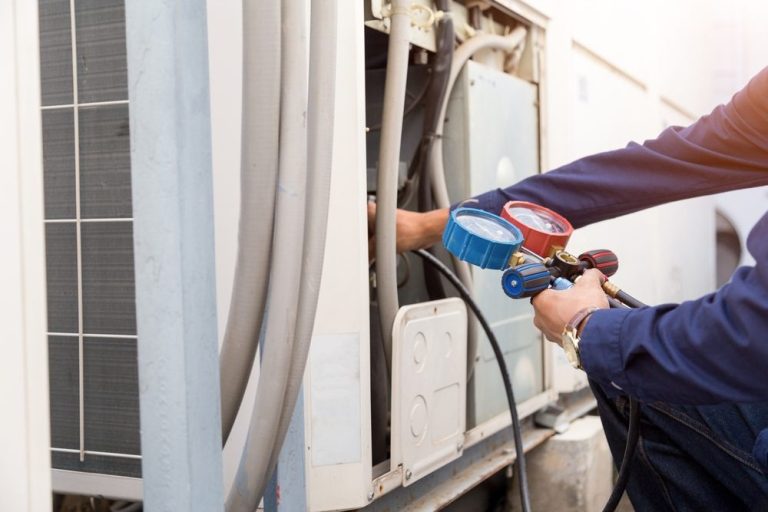
Another crucial factor is monitoring refrigerant levels. Low refrigerant can lead to inadequate cooling and increased wear on compressor components. It’s advisable to have a certified technician check for leaks and recharge the system if needed during routine inspections. Proper door seal condition also plays a significant role in maintaining temperature consistency inside refrigeration units. Damaged or worn-out gaskets allow warm air to enter, forcing compressors to run longer to compensate for temperature fluctuations. Inspecting seals frequently and replacing them when signs of wear appear prevents cold air loss and enhances overall efficiency.
Temperature settings should be checked regularly as well since improper adjustments may either spoil stored goods or cause unnecessary energy use. Ensuring that thermostats are calibrated correctly guarantees that products remain at safe temperatures without overcooling spaces unnecessarily. Additionally, defrost cycles must be monitored because excessive frost buildup impedes airflow inside freezers or refrigerators leading to uneven cooling performance.
Routine cleaning inside the unit is equally important; spills or debris can obstruct vents or damage sensitive components if left unattended for extended periods. Keeping interior surfaces clean not only prevents contamination but also supports smooth operation by allowing proper air circulation around stored items.
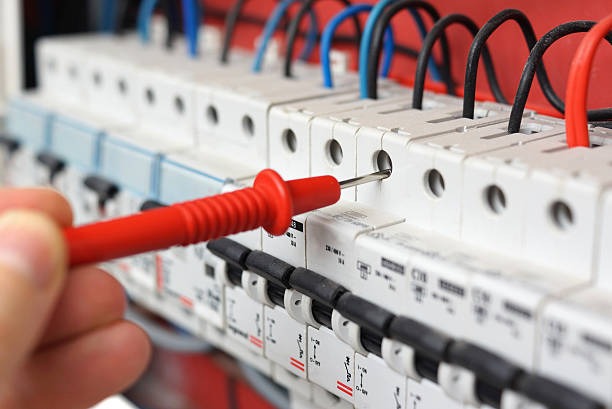
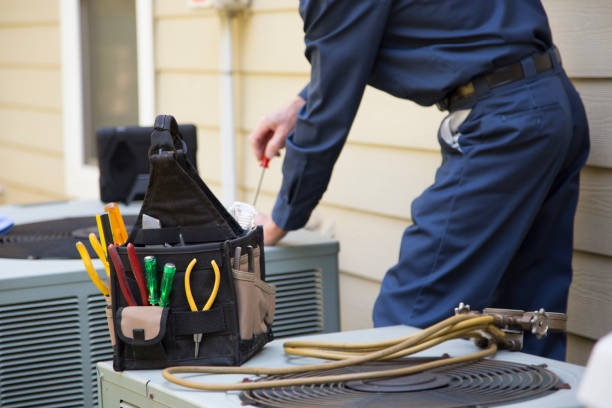
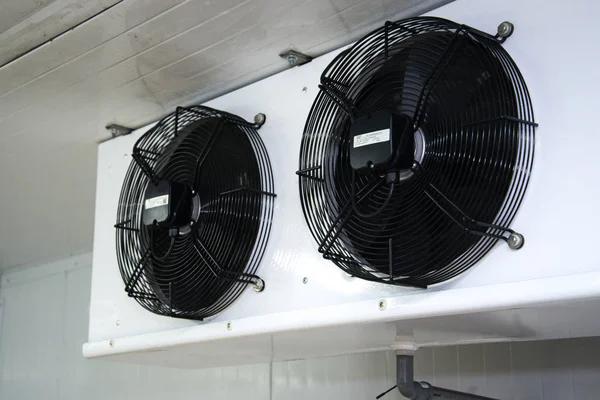
It’s beneficial to schedule professional preventive maintenance at least twice a year where technicians perform comprehensive checks including electrical connections inspection, lubrication of moving parts such as fans and motors, evaluation of compressor health status, as well as testing safety controls like pressure switches.
Staff training on proper usage habits contributes significantly toward prolonging equipment life too; simple practices such as avoiding leaving doors open unnecessarily reduce strain on systems while minimizing temperature fluctuations within refrigerated spaces.
In summary, consistent attention to condenser coil cleanliness, refrigerant management, door gasket integrity, accurate thermostat settings alongside regular defrosting routines form the foundation of effective Commercial Refrigeration maintenance strategies aimed at achieving better performance with lower operational costs over time.
About the Author