
Dealing with damaged plumbing can be stressful, especially when the thought of major renovation looms. Fortunately, many plumbing issues can be addressed effectively without tearing down walls or floors. The key to fixing damaged plumbing without extensive renovation lies in careful assessment, targeted repairs, and using modern tools designed for minimal disruption.
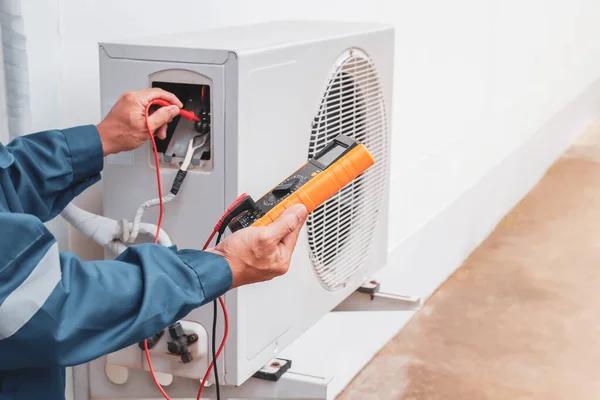
First, it is essential to identify the exact location and nature of the problem. Common signs such as slow drains, leaks under sinks, low water pressure, or unusual noises often point toward specific issues like clogs, worn-out seals, or pipe corrosion. Using a moisture meter or an infrared camera can help detect hidden leaks behind walls without needing to remove drywall immediately. Once you have pinpointed the problem area accurately, you can plan a repair strategy that avoids unnecessary demolition.
For small leaks in accessible pipes, applying epoxy putty or pipe repair tape offers a quick and durable solution. These materials adhere tightly around cracks or holes and prevent further water damage while allowing normal use explore the wealth of knowledge system during curing time. In cases where joints are leaking due to loose fittings or degraded washers, tightening connections with a wrench or replacing washers may restore proper sealing without dismantling entire sections.
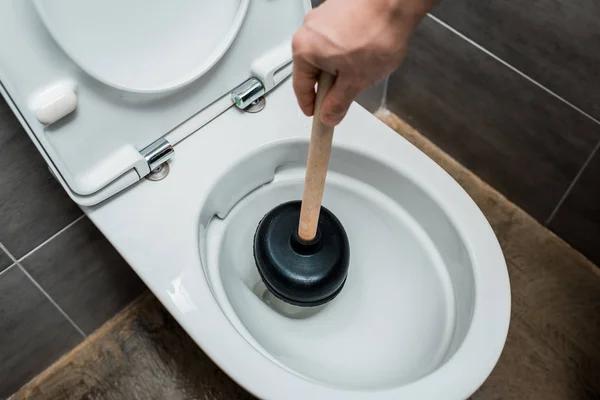
Clogged drains often cause significant inconvenience but rarely require major reconstruction unless severe damage has occurred inside pipes. Chemical drain cleaners should be used cautiously as they might harm older pipes; instead, mechanical options like drain snakes or augers provide safer alternatives for clearing blockages efficiently from traps and lines near fixtures.
If corrosion has compromised metal pipes extensively but replacement seems daunting because of wall placement constraints, consider using pipe relining techniques. This method involves inserting a flexible liner coated with resin into existing pipelines through access points such as cleanouts; once hardened inside the pipe’s interior surface forms a new watertight layer that extends its lifespan significantly without excavation.
Water pressure problems might stem from sediment buildup in faucets or valves rather than pipeline faults themselves. Removing aerators and cleaning them thoroughly restores flow rates easily while flushing out sediment deposits also helps maintain consistent performance over time.
When tackling any plumbing repair project yourself ensure that all water supplies are turned off before starting work to avoid flooding risks. Having basic tools like adjustable wrenches and plumber’s tape on hand simplifies minor fixes considerably compared to calling professionals for every issue encountered.
In summary, fixing damaged plumbing does not always necessitate disruptive renovations if approached systematically by diagnosing problems precisely then applying targeted repairs such as patching leaks with epoxies tapes addressing clogs mechanically employing trenchless relining methods improving fixture maintenance practices simple adjustments save both money and effort preserving home integrity throughout maintenance processes effectively prolonging system functionality while minimizing inconvenience typical associated with traditional overhaul methods common among homeowners facing similar challenges today.
About the Author