
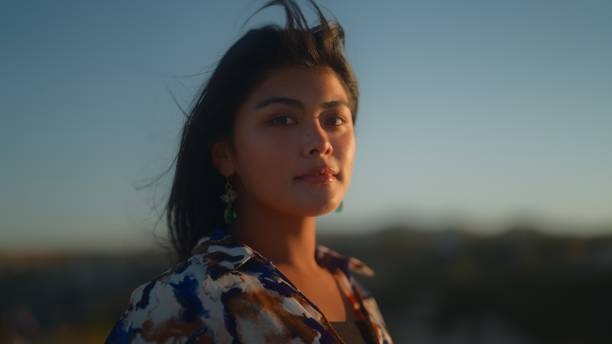
London has long been celebrated as one of the world’s most diverse and dynamic cities, a place where cultures from across the globe converge to create a vibrant, ever-evolving urban tapestry. In recent years, one particularly exciting development has been the rise of Asian models who are not only reshaping the fashion industry but also injecting new personality and character into London’s cultural landscape. These models are challenging traditional beauty standards, broadening representation, and bringing fresh perspectives that reflect the city’s multicultural identity.
The presence of Asian models in London is not entirely new; however, their visibility and influence have grown significantly in recent times. This shift coincides with broader societal conversations about inclusion and diversity within fashion and media industries worldwide. Historically, mainstream fashion often marginalized or stereotyped Asian faces, limiting opportunities for many talented individuals. Today’s generation of Asian escorts London models is breaking through these barriers by embodying authenticity and showcasing a wide range of looks that defy narrow definitions.
One reason why this movement feels so transformative is because it aligns closely with London’s own evolution as an international metropolis. The city thrives on its ability to embrace difference while fostering creativity across various fields-fashion being no exception. Models such as Charlee Fraser (who has Indigenous Australian heritage but represents global diversity), Xiao Wen Ju from China working extensively in London-based campaigns, or younger talents emerging from British-Asian communities illustrate how this blend enriches both local culture and global trends alike.
These models bring more than just physical beauty to runways or magazine covers; they carry stories rooted in complex identities shaped by migration histories, family traditions, language nuances, and contemporary urban experiences. Their work often transcends commercial modeling by engaging with themes relevant to their communities-whether it be advocating for mental health awareness among young Asians living abroad or highlighting issues like colorism within their own cultures. Through social media platforms like Instagram or TikTok especially, these personalities connect directly with audiences who see themselves reflected back in ways previously unavailable.
Moreover, London’s fashion scene benefits tremendously from this influx of talent because it introduces new aesthetics influenced by Asian art forms such as calligraphy-inspired prints or intricate embroidery techniques passed down through generations. Designers collaborating with these models find inspiration not only in appearance but also cultural narratives that add depth to collections showcased during events like London Fashion Week. This synergy between model identities and design innovation helps position London at the forefront of progressive style movements globally.
Another important aspect lies in how these Asian models challenge stereotypes beyond appearance alone-they question assumptions about career paths traditionally expected within certain communities while pursuing artistic expression unapologetically. For example, some may come from families emphasizing conventional professions yet choose modeling as a way to explore self-expression creatively rather than conforming strictly to norms imposed upon them culturally or socially.
This spirit resonates deeply among younger audiences who look up to role models reflecting multidimensional lives instead of one-dimensional archetypes frequently portrayed before now. By embracing individuality alongside collective heritage pride without feeling forced into assimilation pressures exclusively favoring Western ideals of success or beauty standards typical decades ago makes their contributions even more meaningful.
The impact extends further when considering intersectionality-the overlapping identities related not just ethnicity but gender fluidity or neurodiversity-that many emerging figures openly discuss today compared against past eras where silence around such topics was common due partly to stigma attached culturally within some parts of Asia-origin populations residing abroad including Britain itself.
London’s creative industries increasingly recognize that authentic storytelling involves acknowledging all facets shaping someone’s persona rather than sanitizing narratives for mass appeal alone; thus incorporating diverse voices leads toward richer dialogues around identity politics inside fashion circles influencing public perception positively over time too.
About the Author