
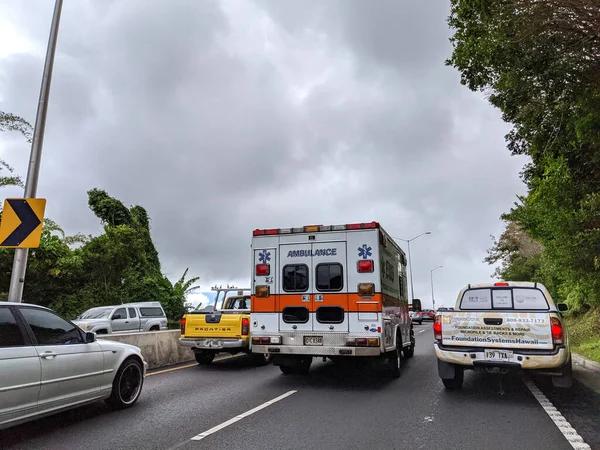
Long-distance patient transportation for medical appointments is a crucial service that bridges the gap between healthcare facilities and patients residing in remote or underserved areas. This service ensures that individuals who require specialized medical care, which may not be available locally, can access necessary treatments and consultations without facing logistical challenges. The importance of long-distance patient transportation has grown significantly as healthcare systems strive to provide equitable access to quality care for all individuals, irrespective of their geographic location.
For many patients living in rural areas, reaching a hospital or specialist’s office often involves traveling considerable distances. This journey can be particularly daunting for those with chronic illnesses, mobility issues, or limited financial resources. Long-distance transportation services are designed to alleviate these burdens by offering safe and reliable travel options tailored to the needs of each patient. These services typically include non-emergency medical transport (NEMT) solutions such as ambulances equipped with advanced life support systems, wheelchair-accessible vans, and even air ambulance services for extremely remote locations.
The coordination involved in long-distance patient transportation is meticulous. It requires collaboration between healthcare providers, transport companies, insurance agencies, and sometimes governmental bodies to ensure seamless transitions from one point of care to another. Scheduling is often done well in advance to accommodate the availability of both medical professionals and transport vehicles while considering the patient’s treatment schedule.
An essential aspect of this website service is ensuring comfort and safety throughout the journey. Transport vehicles are equipped with necessary medical equipment and staffed by trained personnel capable of addressing any health emergencies that may arise during transit. For instance, paramedics on board can monitor vital signs continuously and administer emergency interventions if required.
Moreover, technological advancements have contributed significantly to enhancing these services’ efficiency and reliability. Real-time tracking systems allow families and healthcare providers to monitor the patient’s progress during transit closely. Additionally, electronic health records facilitate better communication between different healthcare facilities involved in a patient’s care continuum.
Despite its benefits, long-distance patient transportation faces several challenges that need addressing for optimal functioning. Cost remains a significant barrier; transporting patients over large distances can be expensive due to fuel costs, vehicle maintenance expenses, staff salaries among others factors involved in providing high-quality service consistently.
In conclusion ,long distance patient transportation plays an indispensable role within modern healthcare frameworks .It mitigates geographical barriers ensuring timely access critical treatments thereby improving overall health outcomes especially vulnerable populations .By continuing address existing challenges through innovative solutions stakeholder collaboration ,this sector will likely witness further growth evolution future years come meeting ever increasing demands comprehensive accessible care worldwide .
About the Author
