
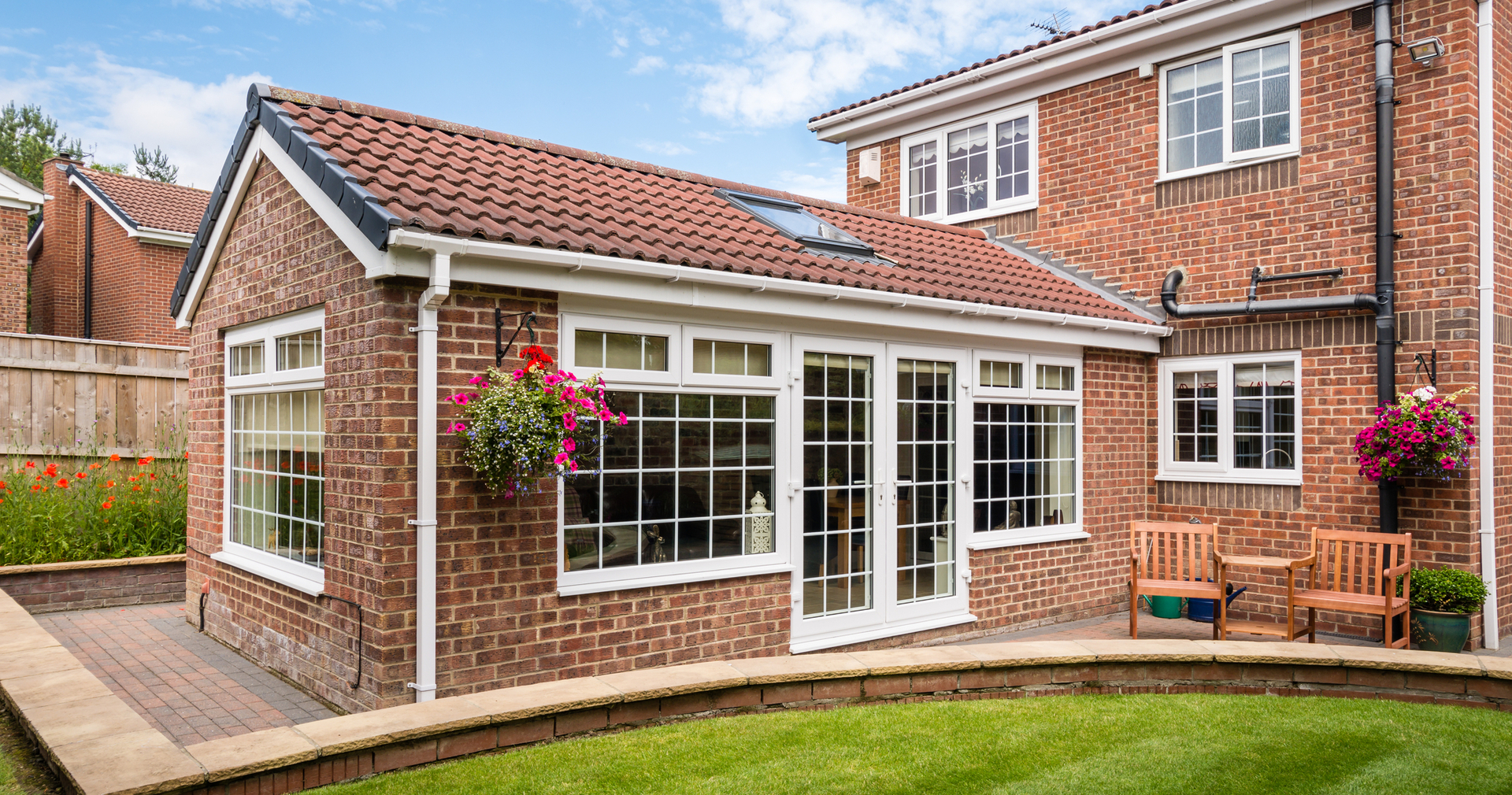
When considering a pitched roof extension to create extra living space, thoughtful design is essential to ensure the new area is both functional and aesthetically pleasing. A pitched roof extension not only adds valuable square footage but also complements the existing architecture of your home, enhancing its overall appeal. To maximize the benefits of such an extension, several key design tips should be taken into account.
First and foremost, understanding the pitch angle of your existing roof is crucial. Matching or harmonizing this angle with that of the extension helps maintain architectural cohesion and prevents an awkward transition between old and new structures. If matching pitches isn’t feasible due to structural limitations or planning restrictions, selecting a complementary pitch can still achieve a balanced look while allowing for adequate headroom inside.
Maximizing natural light within the extended space significantly improves comfort and usability. Incorporating skylights or dormer windows into the pitched roof allows sunlight to penetrate deeper into the room, creating a bright and inviting atmosphere. Dormers can also add character externally while increasing usable floor space internally by providing additional head height in areas where sloping ceilings might otherwise limit movement.
Insulation plays a vital role in maintaining energy efficiency in any loft or attic conversion involving pitched roofs. Proper insulation materials should be installed between rafters to minimize heat loss during winter months and reduce overheating in summer. Ventilation must also be considered carefully; incorporating vents or breathable membranes ensures moisture does not accumulate within the roof structure, preventing mold growth and prolonging material lifespan.
The internal layout should take full advantage of available space under sloping ceilings by using custom-built storage solutions such as fitted wardrobes or shelving units that follow ceiling contours. This approach minimizes wasted areas caused by restricted headroom while keeping rooms tidy and organized.
Structural considerations are paramount when extending with a pitched roof. Consulting with architects or structural engineers ensures that load-bearing walls are appropriately reinforced and that foundations support additional weight safely without compromising stability.
Finally, consider how external finishes will blend with your home’s current façade. Using matching tiles for roofing materials alongside complementary cladding options preserves visual harmony across both old and new sections of your property.
By combining careful planning with practical design choices-such as aligning roof pitches thoughtfully, optimizing natural light through skylights or dormers, ensuring proper insulation and ventilation, utilizing clever storage solutions beneath slopes, addressing structural requirements diligently, and harmonizing exterior finishes-a pitched roof extension can transform unused attic spaces into comfortable living areas that enhance both functionality and value of your home effectively.
About the Author